By clicking “Accept All Cookies”, you agree to the storing of cookies on your device to enhance site navigation, analyze site usage, and assist in our marketing efforts. View our Privacy Policy for more information.
Support for businesses entering into a new commercial lease, covering key terms and negotiations.
FAQs
What is a commercial lease and how is it different from a residential lease?
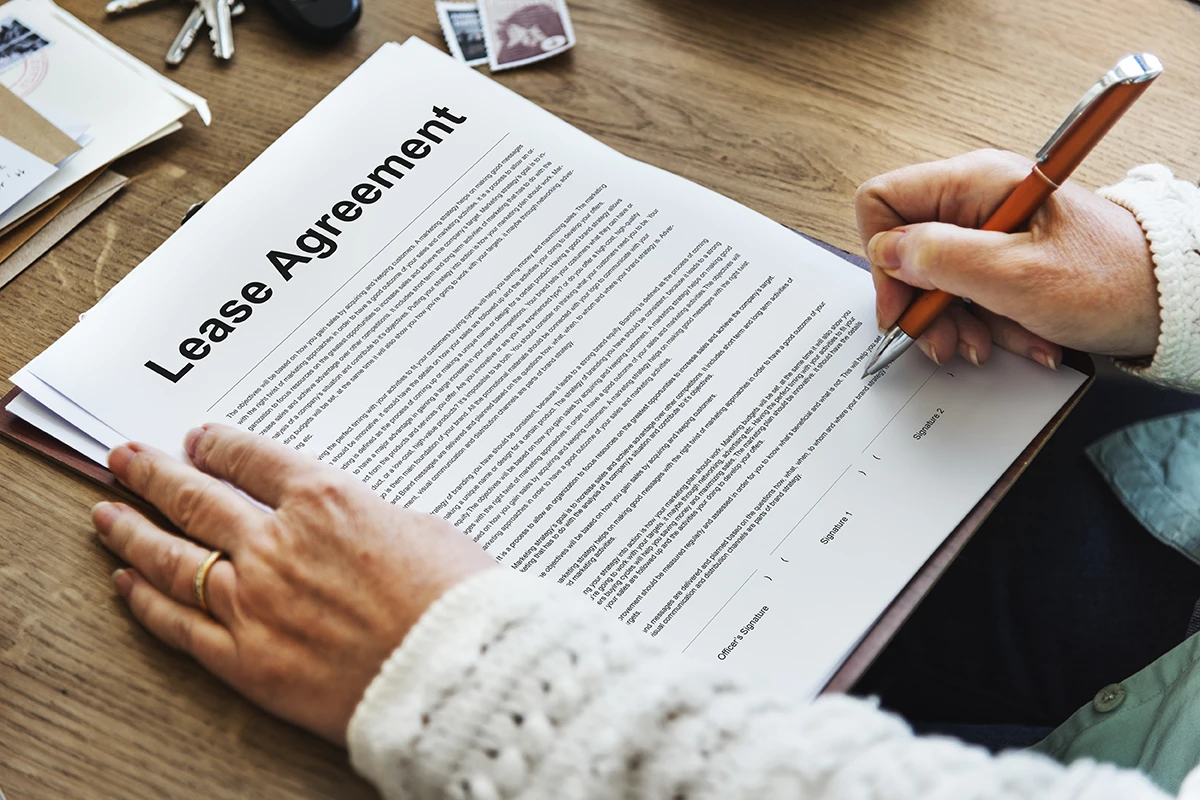
A commercial lease is a legally binding agreement between a landlord and a business tenant granting the right to occupy premises for business purposes.
Unlike residential leases, commercial leases:
Are not heavily regulated, so terms are largely negotiable
Typically place more responsibility on the tenant (e.g. repairs, insurance contributions)
Often include rent reviews, break clauses, and service charges
Example: It is not uncommon for a retail business takes a 10-year lease of a high street shop. The lease includes a full repairing obligation, meaning the tenant must maintain the entire property at their own cost—even if it was not in perfect condition at the start.
What key terms should I look out for in a commercial lease?
Some of the most important provisions include:
Lease length (term) – how long you are committed for
Rent and rent review clauses – how and when rent may increase
Break clause – your right to exit early
Repair obligations – often full repairing and insuring (FRI) leases
Permitted use – what your business is allowed to do from the property
Assignment/subletting rights – ability to transfer the lease
Service charge – contributions to shared building costs
Example: An office tenant signs a 5-year lease with no break clause and later needs to relocate after 2 years. Without a break or assignment option, they remain liable for the rent for the full term.
What is due diligence and why is it important before signing a lease?
Due diligence involves investigating the legal and practical risks associated with the property.
This includes:
Checking title and ownership
Reviewing planning permission and permitted use
Identifying any restrictions or rights affecting the property
Assessing repair condition and liabilities
Confirming service charge obligations
Example: A light industrial unit is taken for manufacturing use, but the lease restricts use to storage only. This could lead to breach of lease and possible termination, disrupting the business.
What are my repair and maintenance obligations?
Most commercial leases are “full repairing and insuring” (FRI), meaning the tenant is responsible for:
Internal and external repairs
Structural elements (in some cases)
Contributing to building insurance
It is crucial to:
Obtain a schedule of condition (records the current state of the property)
Avoid agreeing to put the property into better condition than it was received
Example: A tenant takes on a warehouse with a worn roof without a schedule of condition. At lease end, the landlord requires a full roof replacement costing £30,000.
What additional costs should I budget for beyond rent?
In addition to rent, tenants typically pay:
Business rates
Service charge (shared maintenance of common areas)
Insurance contributions
Legal and surveyor fees
Stamp Duty Land Tax (SDLT) (on certain lease terms)
Example: A tenant agrees to £25,000 annual rent for a shop but later discovers service charges of £8,000 per year and rising—significantly increasing overall occupancy costs.
Notable Cases
Explore our track record of landmark victories and legal breakthroughs that highlight our firm's expertise and dedication.